
Acupuncture for insomnia
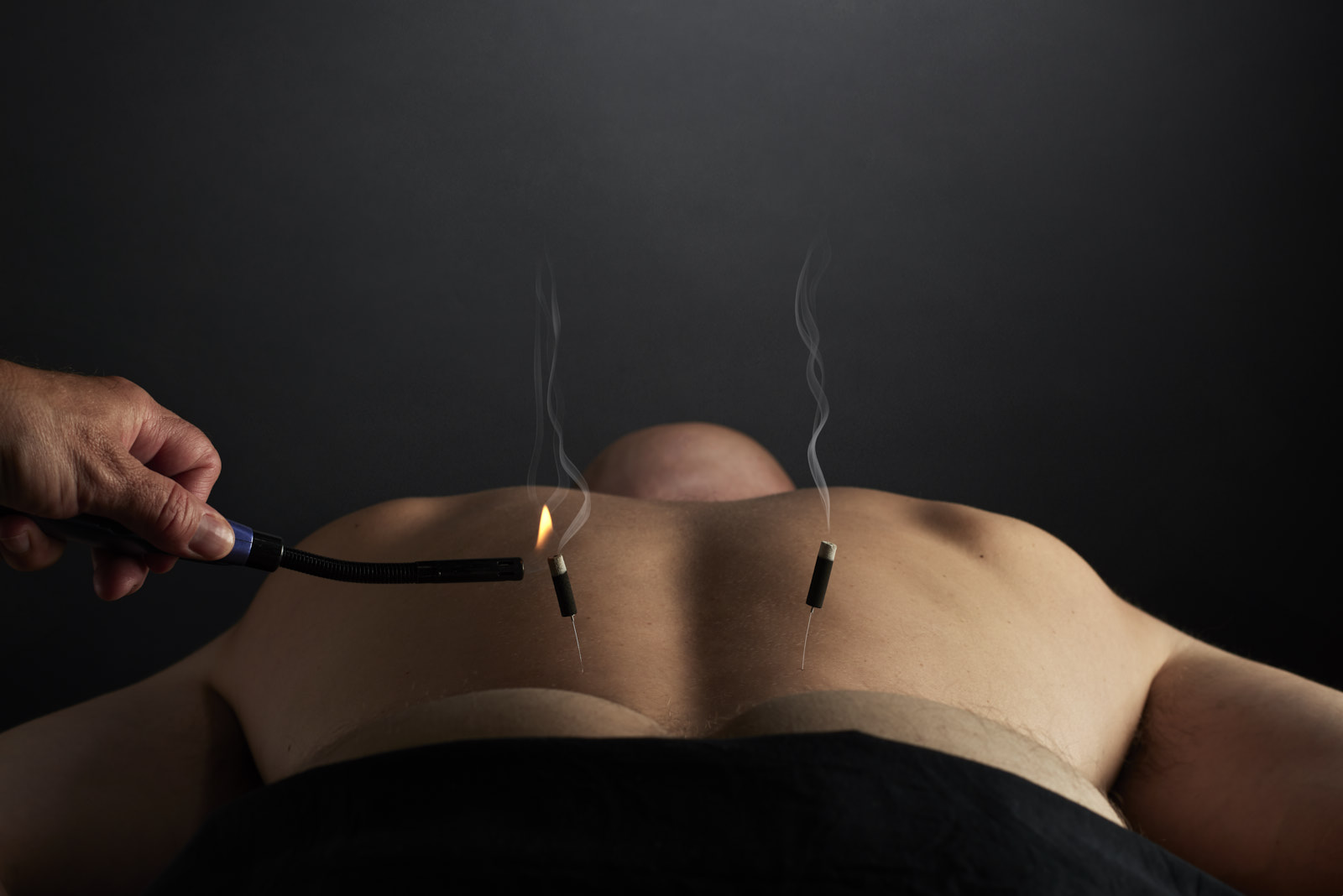
What is Acupuncture?
Acupuncture is a form of traditional Chinese medicine that involves the insertion of thin needles into specific points on the body. These points are believed to correspond to different organs and systems in the body, and the insertion of the needles is thought to stimulate the body's natural healing processes. Acupuncture has been used to treat a wide range of health conditions, including pain, digestive problems, and mental health issues.
How Does Acupuncture Work for Insomnia?
Acupuncture is thought to work for insomnia by stimulating the body's natural sleep-wake cycle, also known as the circadian rhythm. The insertion of the needles is believed to increase the production of melatonin, a hormone that regulates sleep, and to decrease the production of stress hormones, such as cortisol, that can interfere with sleep. Acupuncture may also help to reduce stress and anxiety, which are common underlying causes of insomnia.
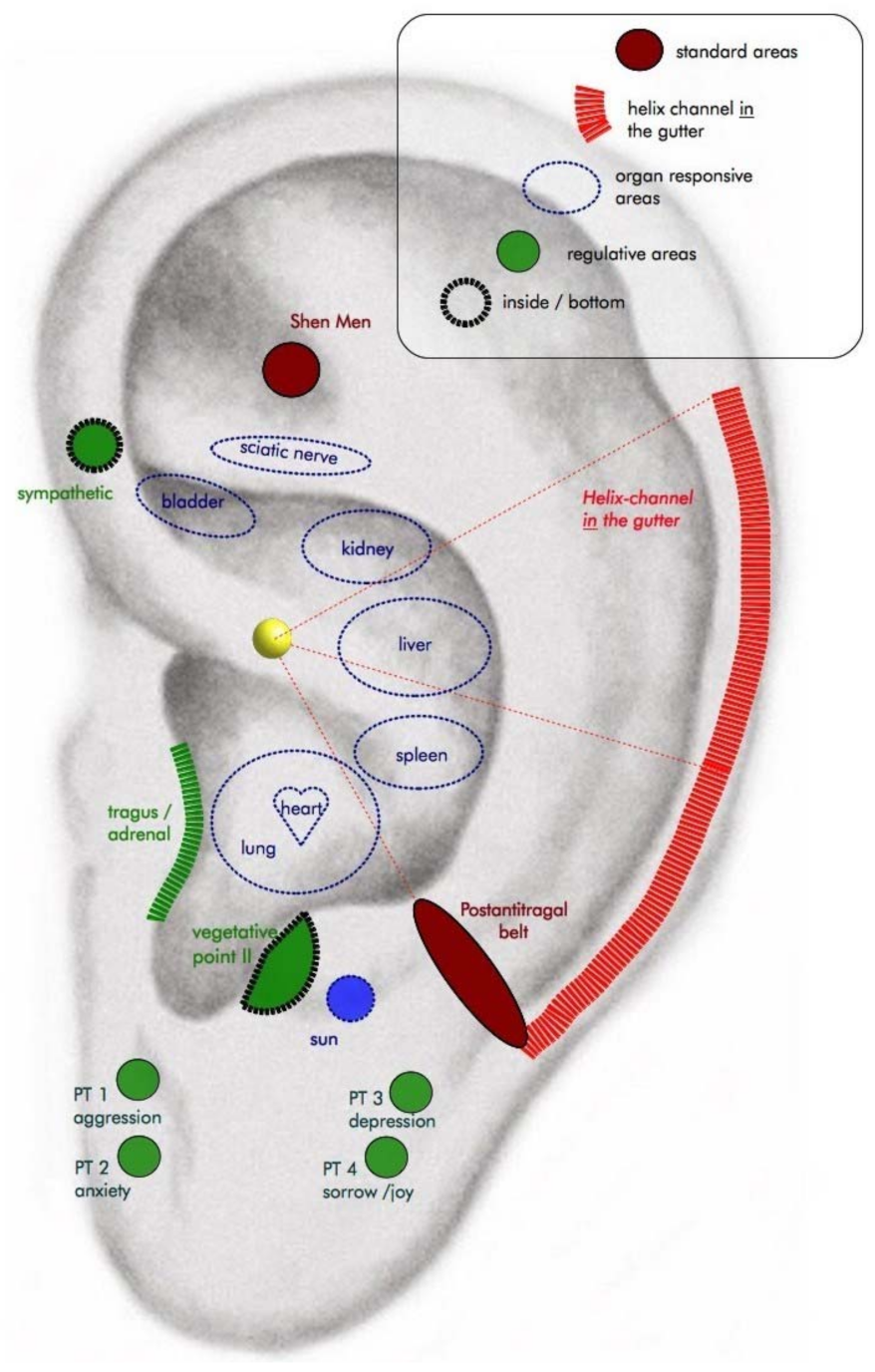
Benefits of Acupuncture for Insomnia
There are several benefits to using acupuncture for insomnia, including:
Reduced Stress and Anxiety
Acupuncture has been shown to reduce stress and anxiety, which are common underlying causes of insomnia. By reducing stress and anxiety, acupuncture can help to improve sleep quality and duration.
Improved Sleep Quality
Acupuncture has been shown to improve sleep quality and duration. Studies have found that acupuncture can increase the amount of deep sleep and rapid eye movement (REM) sleep, which are essential for physical and mental restoration.
Natural and Non-Invasive
Acupuncture is a natural and non-invasive treatment, which means that it does not involve the use of medication or surgery. This makes it a attractive option for people who are looking for a safe and effective treatment for insomnia.
Long-Term Results
Acupuncture can provide long-term results for insomnia. By addressing the underlying causes of insomnia, such as stress and anxiety, acupuncture can help to improve sleep quality and duration over time.
What to Expect from Acupuncture Treatment
If you are considering acupuncture for insomnia, here are a few things to expect from treatment:
Initial Consultation
Before beginning treatment, you will typically have an initial consultation with a licensed acupuncturist. During this consultation, the acupuncturist will ask you questions about your sleep patterns, medical history, and lifestyle to determine the best course of treatment.
Treatment Sessions
Acupuncture treatment sessions typically involve the insertion of thin needles into specific points on the body. The needles are left in place for 15-30 minutes, during which time you may feel a sensation of relaxation and calmness.
Frequency of Sessions
The frequency of acupuncture sessions will depend on the severity of your insomnia and your individual needs. Some people may require multiple sessions per week, while others may only need one or two sessions per month.
Common Acupuncture Points for Insomnia
There are several acupuncture points that are commonly used to treat insomnia, including:
Heart 7
The Heart 7 point is located on the wrist and is believed to help regulate the heart and calm the mind.
Pericardium 6
The Pericardium 6 point is located on the forearm and is believed to help regulate the digestive system and calm the mind.
Governing Vessel 20
The Governing Vessel 20 point is located on the top of the head and is believed to help regulate the body's energy and promote relaxation.
Combining Acupuncture with Other Therapies
Acupuncture can be used in conjunction with other therapies, such as cognitive behavioral therapy and relaxation techniques, to enhance its effectiveness, especially when considering Acupuncture for insomnia and other sleep-related issues. Some people may also find it helpful to combine acupuncture with herbal supplements, such as melatonin and valerian root, to promote relaxation and improve sleep quality.
Potential Risks and Side Effects
While acupuncture is generally considered safe, there are some potential risks and side effects to be aware of. These may include:
Pain or Discomfort
Some people may experience pain or discomfort during or after acupuncture treatment.
Bleeding or Bruising
There is a small risk of bleeding or bruising at the needle site.
Dizziness or Lightheadedness
Some people may experience dizziness or lightheadedness during or after acupuncture treatment.
Conclusion
Acupuncture is a natural and effective treatment for insomnia that can help to improve sleep quality and duration. By stimulating the body's natural sleep-wake cycle and reducing stress and anxiety, acupuncture can provide long-term results for insomnia. If you are considering acupuncture for insomnia, it is essential to find a licensed and experienced acupuncturist who can help you determine the best course of treatment.
FAQs
What is the success rate of acupuncture for insomnia?
The success rate of acupuncture for insomnia can vary depending on the individual and the severity of their insomnia. However, studies have shown that acupuncture can be an effective treatment for insomnia, with some people experiencing significant improvements in sleep quality and duration.
How many acupuncture sessions are typically needed to treat insomnia?
The number of acupuncture sessions needed to treat insomnia can vary depending on the individual and the severity of their insomnia. Some people may require multiple sessions per week, while others may only need one or two sessions per month.
Can acupuncture be used in conjunction with other therapies for insomnia?
Yes, acupuncture can be used in conjunction with other therapies, such as cognitive behavioral therapy and relaxation techniques, to enhance its effectiveness.
Are there any potential risks or side effects of acupuncture for insomnia?
While acupuncture is generally considered safe, there are some potential risks and side effects to be aware of, including pain or discomfort, bleeding or bruising, and dizziness or lightheadedness.
Can acupuncture help with other sleep disorders, such as sleep apnea or restless leg syndrome?
Yes, acupuncture may be helpful in treating other sleep disorders, such as sleep apnea or restless leg syndrome. However, it is essential to consult with a licensed and experienced acupuncturist to determine the best course of treatment.
Boel Akupunktur København
Skalbakken 4,
2720 København, Denmark
4597875800